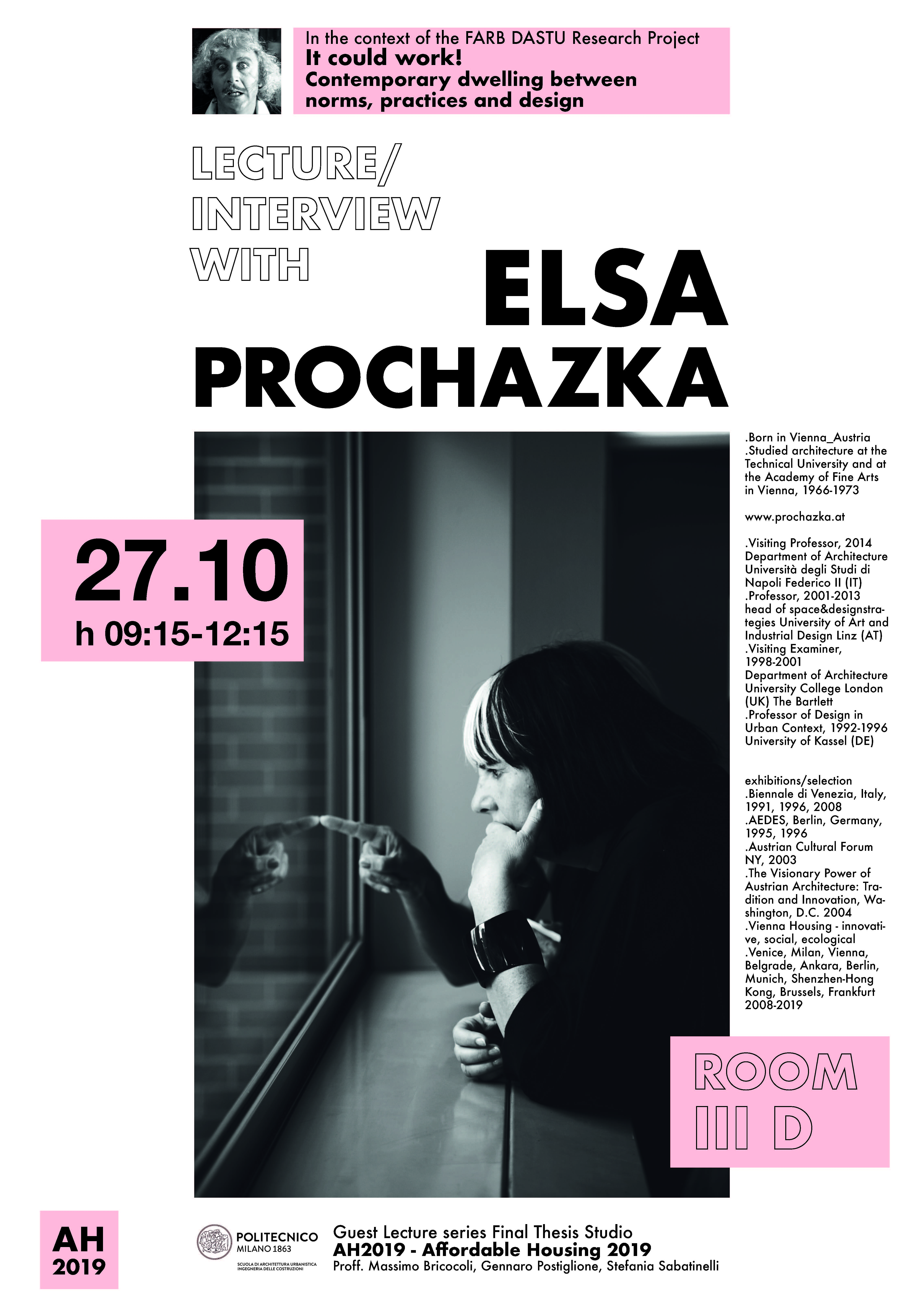
Affordable Housing Studio / Guest Lecture #02
October 21st, 2019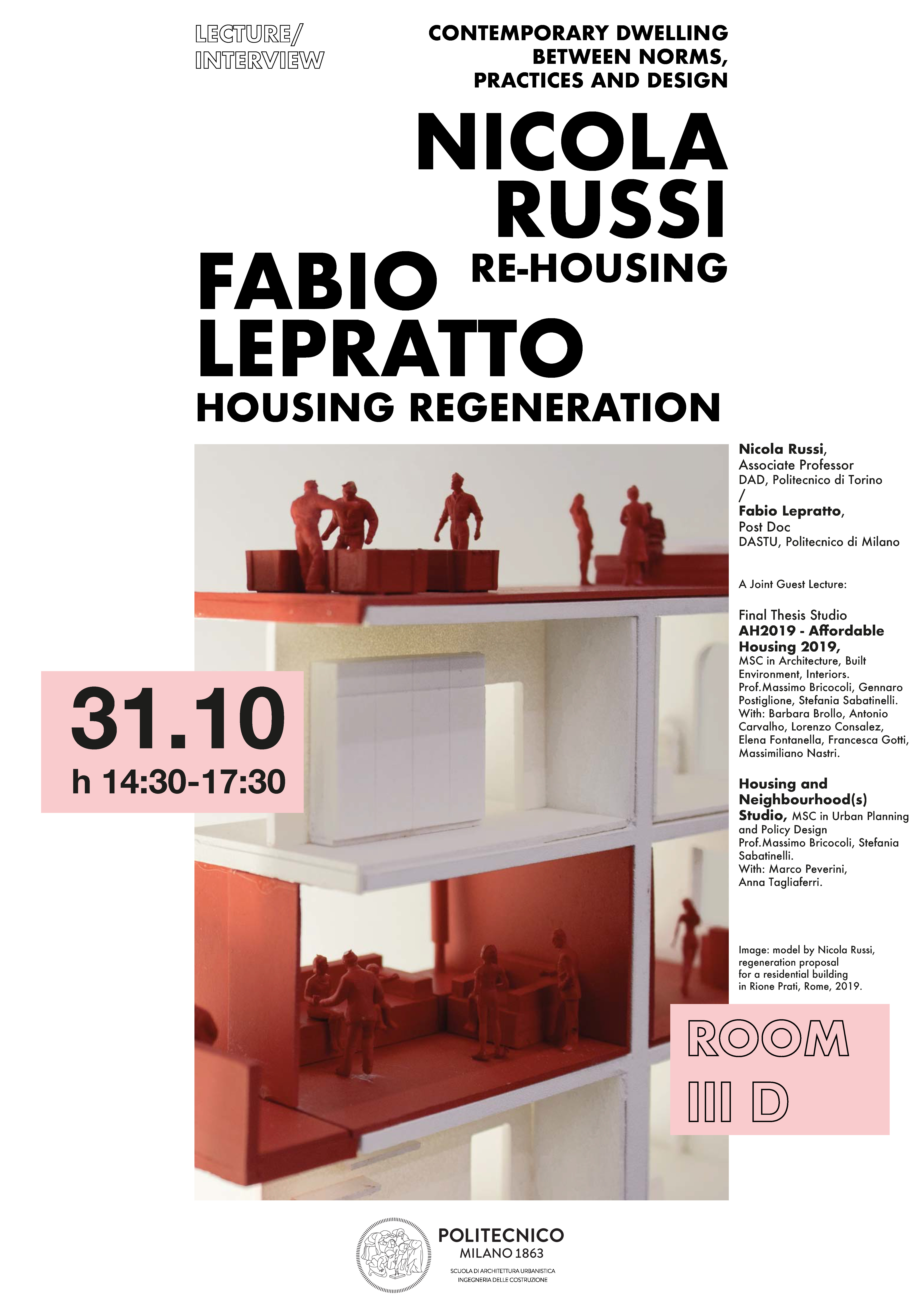
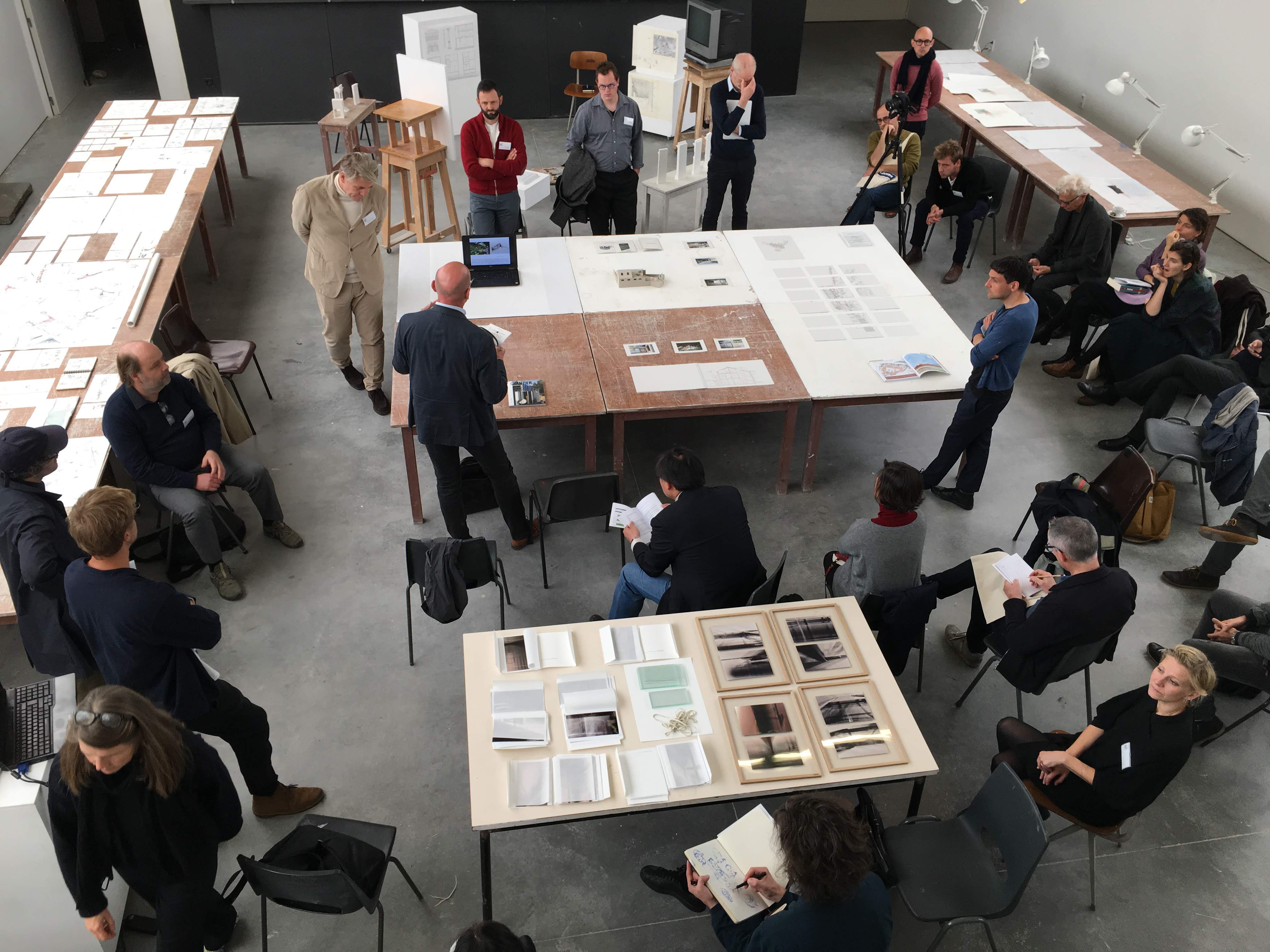
architecture voyeurism
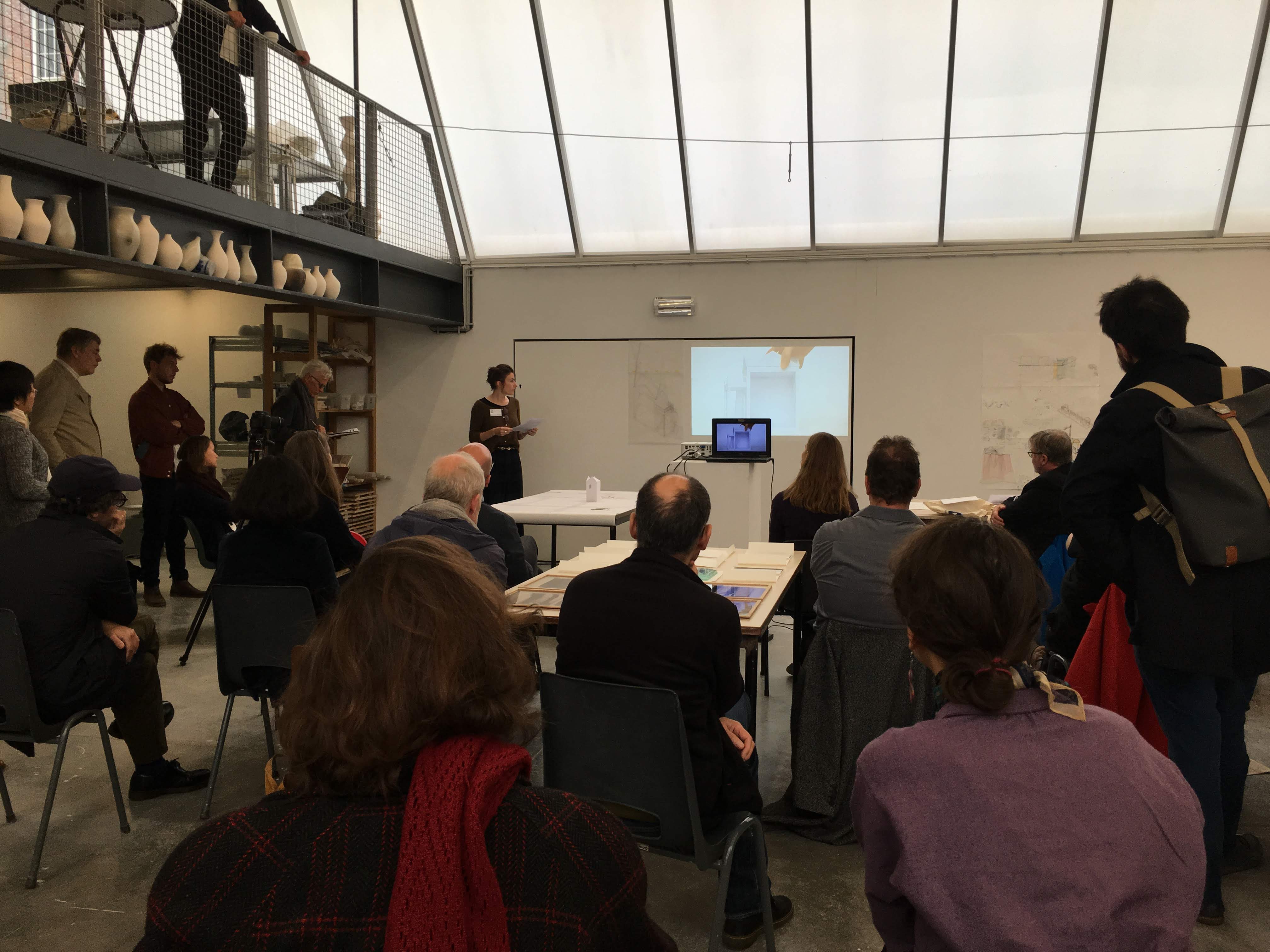
CA2RE+
3-7 October 2019
KU Leuven Sint Lucas – Ghent
The Erasmus+ Strategic Partnership CA2RE+ develops a collective learning environment through Evaluation of Design Driven Doctoral Training. Design Driven Doctoral research (DDDr) is taken as a multidisciplinary example of an experiential learning-through-evaluation model, appropriate for identification and promoting relevance of research singularity, its transparency and recognition, to award excellence in doctoral training for creative and culturally rooted solutions of contemporary design driven developments.
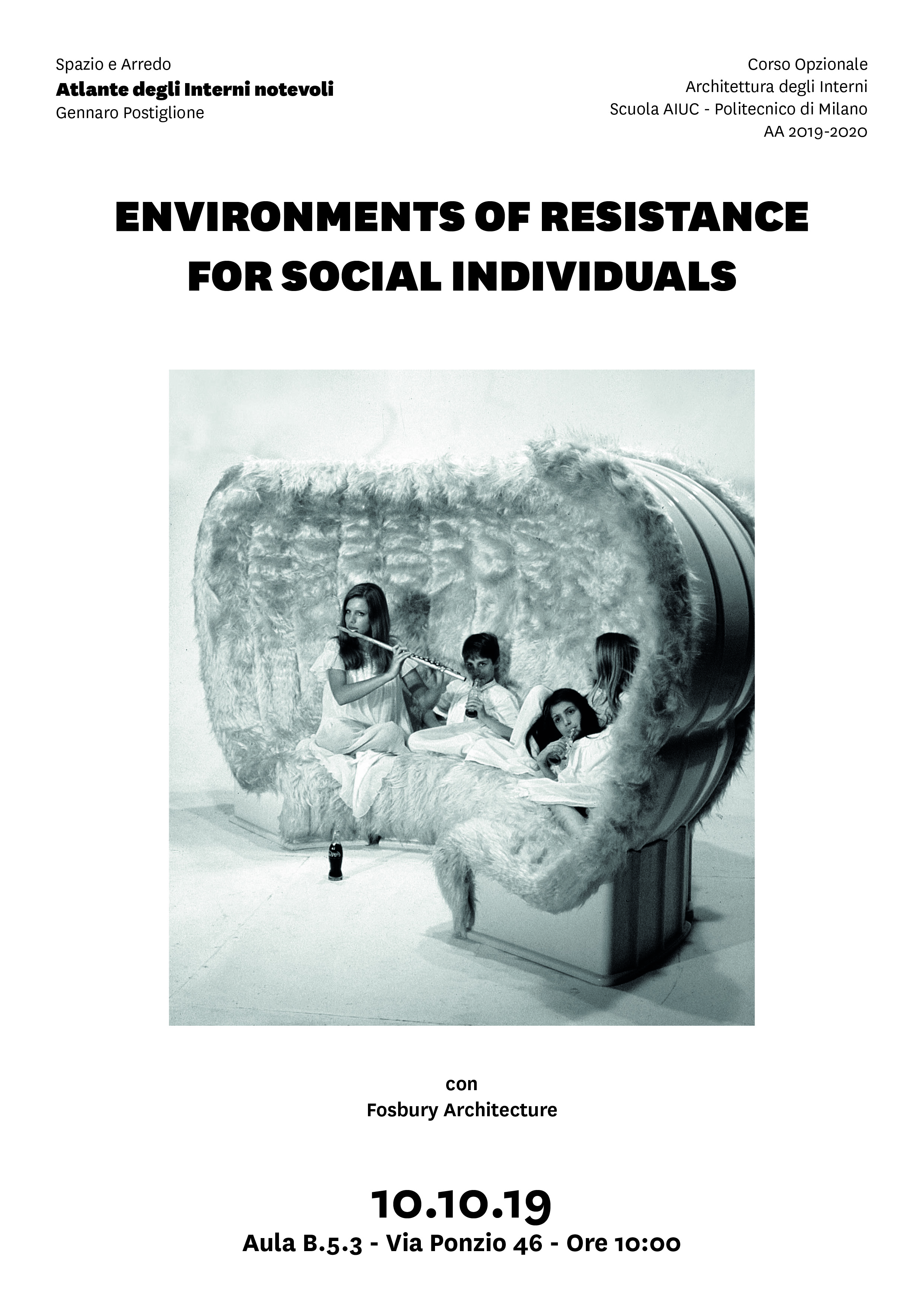
Fosbury Architecture
Politecnico di Milano
Via Ponzio 46
aula B.5.3 ore 10:00
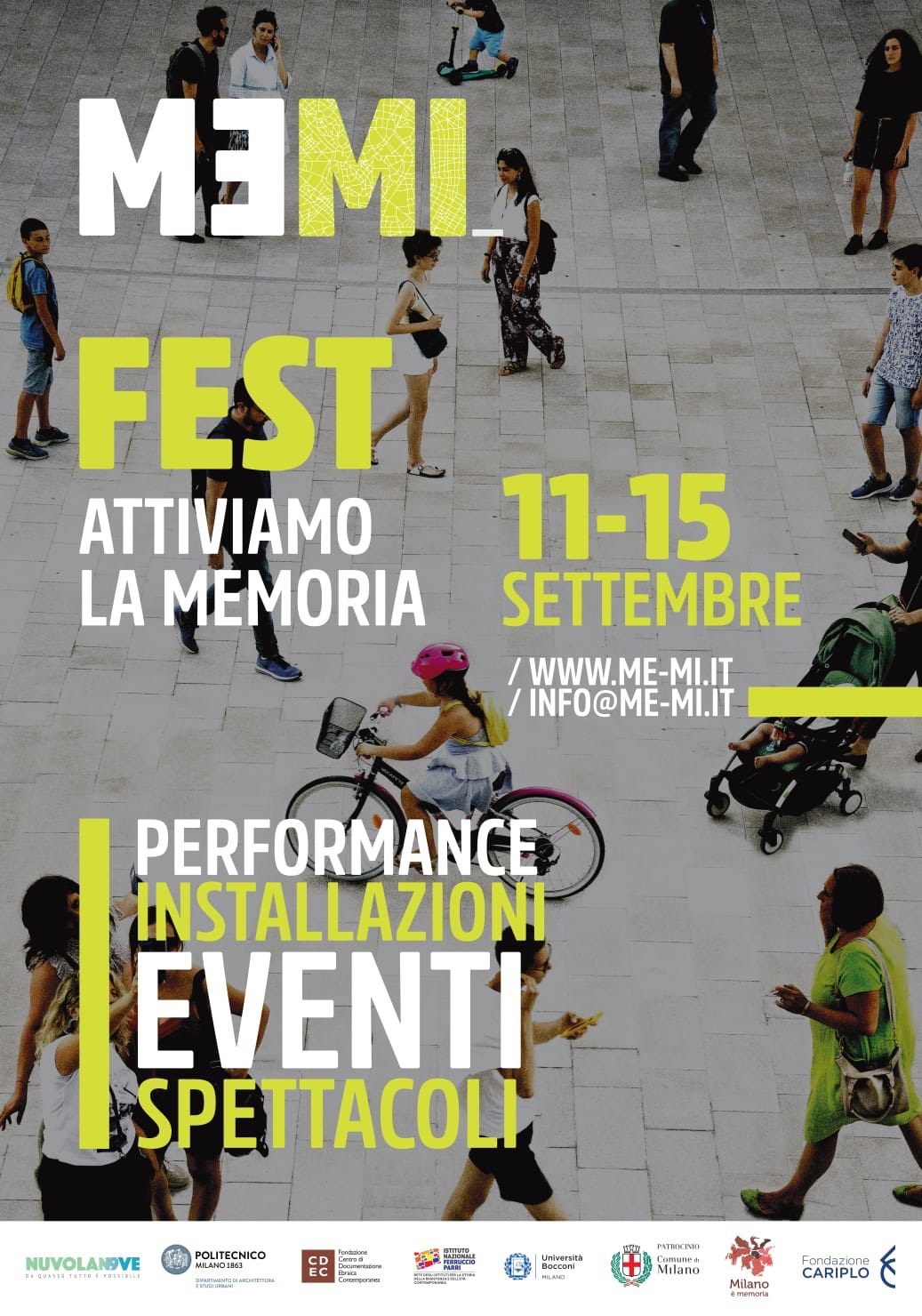
MEMI FEST – Attiviamo la Memoria
Il primo festival urbano dedicato ai luoghi della Memoria a Milano
11-15 Settembre 2019, Milano
La prima edizione del Festival si terrà in 17 luoghi della memoria a Milano e coinvolgerà 11 artisti/compagnie/associazioni che in ogni luogo proporranno visite guidate, itinerari urbani, performance e spettacoli utilizzando la loro arte ed esperienza per comunicare la memoria e trasmettere valori e storie.
Obiettivo del festival è dare nuova vita ai luoghi della memoria raccontando le vicende e le storie che hanno caratterizzato il decennio 1938 – 1948 attraverso la partecipazione e il coinvolgimento attivo degli abitanti.
Cartella stampa
Anteprima del Festival (9-11 Setembre)
Calendario degli spettacoli
www.me-mi.it
CIÖNDÒL
[by Irene Comini, July 2019]
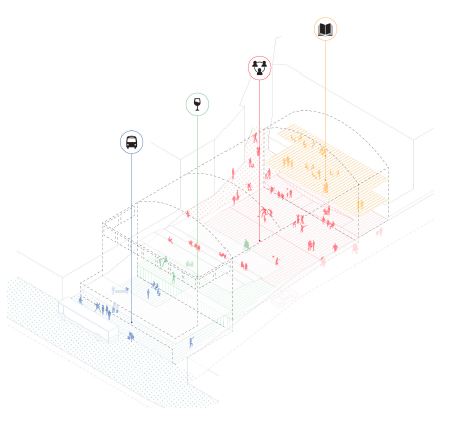
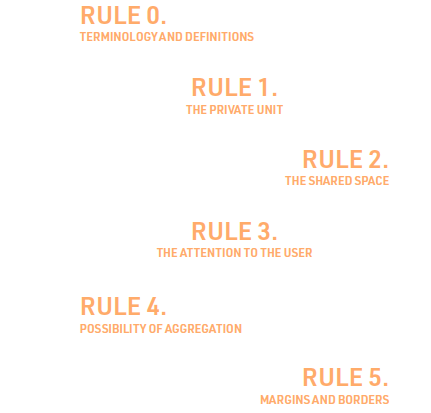
Borno è un borgo alpino della provincia di Brescia che per posizione geografica risulta isolato rispetto al suo contesto territoriale. Se per molti borghi alpini questo causa un progressivo spopolamento, il forte radicamento dei bornesi nei confronti del paese natale porta la maggior parte di loro a preferire uno stile di vita mobile, impiegando fino a tre ore di viaggio per raggiungere quotidianamente il luogo di lavoro o di studio. Attraverso un intenso lavoro di interviste semi-strutturate e un confronto diretto con i “bornesi mobili” è risultato evidente come questo stile di vita limiti il loro coinvolgimento nella quotidianità e socialità del paese.
Partendo dallo stato famigliare, dalla frequenza e dal motivo dello spostamento, e attraverso la ricostruzione delle diverse giornate tipo, sono stati identificati sette ritratti di persone mobili che differiscono per abitudini, pratiche, esigenze, spazi e tempi vissuti.
CO-LIVING
[by Laura Vanazzi, July 2019]
This research is inspired by the studies in Politecnico di Milano at the department of Architecture and Urban Studies about the evolution of dwellings practices and the need of new spaces, policies and processes, in the contemporary housing scene in Italy. What emerges is a widespread of co-living practices, which do not regard only Italy but the entire world. Stimulated by these previous analysis, the thesis explores the topic of the co-habitation in order to construct a solid panoramic view and propose a design strategy for a co-living apartment.

RIPENSARE GLI SPAZI DELL’INFRASTRUTTURA
[by Antonio Lento, April 2019]
Attraverso la ricognizione del dibattito che essi hanno prodotto, la tesi tenta di definire il proprio orizzonte problematico, ponendosi tre domande: quale ruolo l’infrastruttura ha assunto nel territorio urbano? Come la città può riappropriarsi degli spazi negati all’infrastruttura? Di quali valori sociali gli spazi infrastrutturali sono portatori?

IL TEMPO CHE SFUGGE ALLA STORIA
[by Miriam Tinto, April 2019]
Il lavoro di ricerca e progetto nasce dal paradosso dell’abbandono più che ventennale di un capolavoro – due volte vincolato – dell’architettura moderna. Manufatto segnato da grande fortuna critica e annoverato tra i rari esempi di brutalismo italiano, l’Ex Istituto Marchiondi Spagliardi di Baggio è stato recentemente oggetto di diverse ipotesi di intervento di recupero destinate purtroppo a fallire, anche a fronte di una ormai eccessiva insostenibilità economica dell’operazione.
Se normalmente si pensa a rovine e macerie come prodotti del conflitto bellico, è corretto pensare al presente del Marchiondi non solo come prodotto di un conflitto amministrativo ma anche come risultato di un gap nel dibattito teorico, pratico e culturale italiano intorno al recupero dell’architettura moderna e contemporanea d’autore.
YOUTH COMMUNE
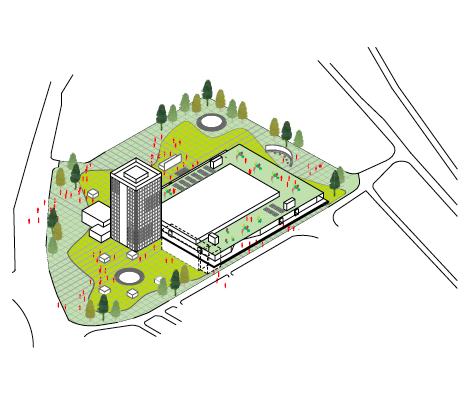
[by Vigan Zika, April 2019]
The “Rilindja” Media House building, was one of the victims of this process, its architecture, program and history were altered, it lost its importance, and as a result, a huge part of the architectural and historical heritage of Kosovo was erased.
These aspects introduced two key questions for the project: how a disfigured building in the city of Pristina can be transformed into an active social intersection between the city and its citizens? and how does the present situation affect the memory of the past?
OPPORTUNITIES
[by Lorenzo Sizzi, April 2019]
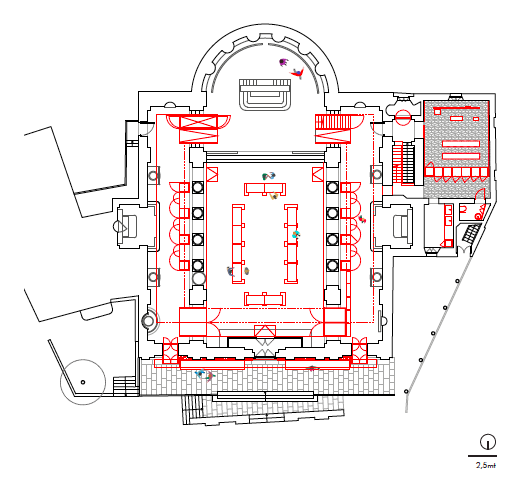
Opportunities arises from the desire to conceive a strategy capable of preventing the practice of uncontrolled and unconscious reuse of churches. The strategy is organized in two phases. The first is based on the study of the work of two architects and is aimed at understanding the church building, which culminates in the definition of four fundamental properties. The second concerns re-use and, thanks to the theoretical support of the documents of a workshop and three conferences on the subject, the aim is to analyze a selection of case studies by experimenting a qualitative evaluation method that works by dividing the intervention into two themes: program
and spatiality.
FROM WASTELAND TO WETLAND
[by Riccardo Mameli, April 2019]
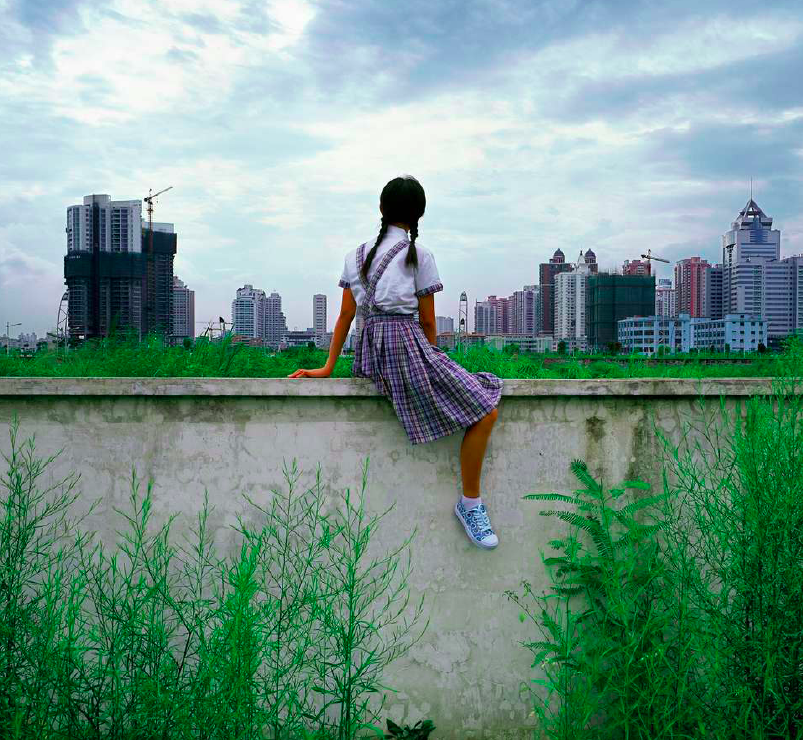
The east Bund of Huangpu River is now required to include public space quality enhancement, ecological environment optimization and cultural function clustering. It is the perfect occasion for a re ection of the redevelopment of brown-fields in green elds. e purpose of the present thesis is to analyze and understand the current social, economic and political situation, in order to propose a suitable model capable to actively reinterpret the Chinese landscape.

RE-ACTIVATION-THROUGH INTEGRATION
[by Federico Riva, July 2018]
The research aims to explore the relation between individuals and places in the contemporary city and to investigate the way the social dynamics can foster the process of integration in a more and more diverse and multi-ethnic society, taking as starting point the case of Campo Marzio in Vicenza.
 |
 |
 |
 |