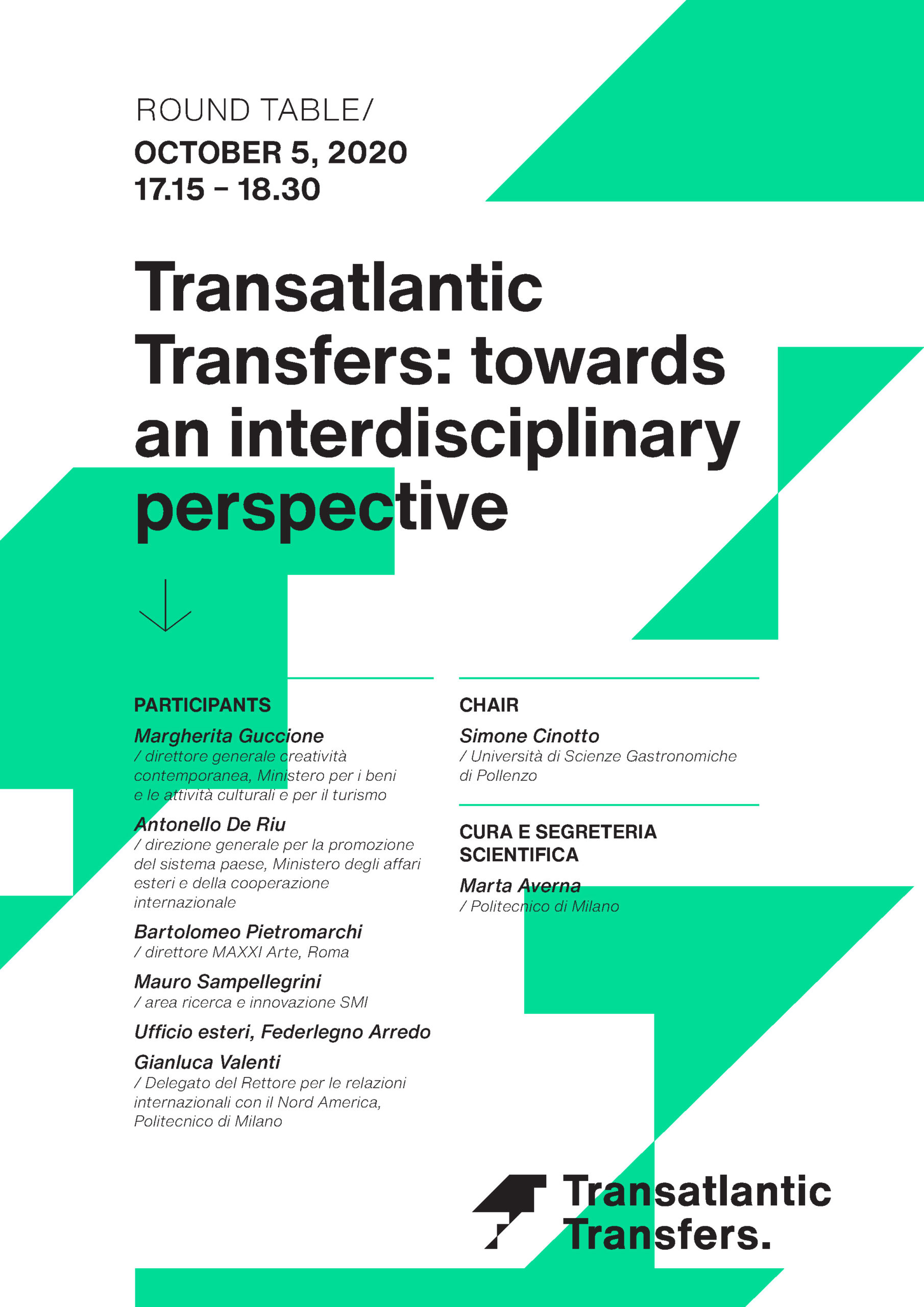
Covid-19_EU_201024
Sunday, October 25th, 2020Italia, indice di mortalità 7,38%
Prima in Europa!
Riflettiamo.
architecture voyeurism
Italia, indice di mortalità 7,38%
Prima in Europa!
Riflettiamo.
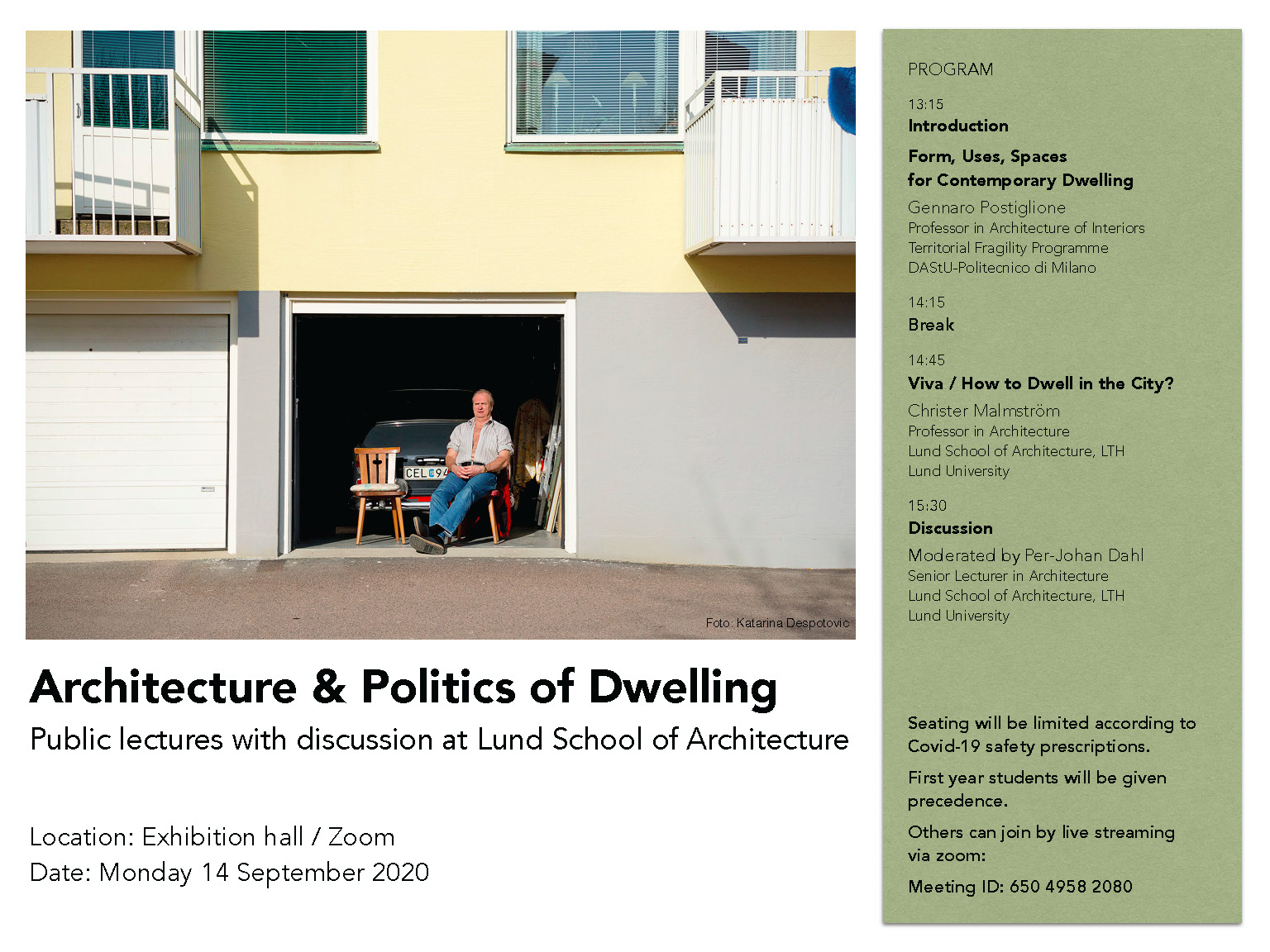
Architecture and the politics of dwelling
14 September
13:15-16:00
LTH – School of Architecture
Exhibition Hall
and
on LU Zoom
https://lu-se.zoom.us/j/65049582080
https://lu-se.zoom.us/u/cc1EMIus6i
13:15 Introduction by Emma Nilsson
Assistant Programme Director, School of Architecture, LTH Lund University
13:20 Visiting Professor Gennaro Postiglione
Form, Uses, Spaces for Contemporary Dwelling
14:45 Professor Christer Malmström
Viva / How to Dwell in the City?
15:30 Discussion
Moderator: Senior Lecturer Per-Johan Dahl
An exploration of house-lives biographies in quarantined times, through the works of bachelor students from Politecnico di Milano, AUIC school.
March 2020: After a first wave in Asia, the spread of the Covid-19 in different countries of the world has lead many Governments to establish a series of lockdowns, asking people to stay at home in more or less restrictive ways. In some countries, the “quarantine” has lasted more than two months.
Follow the work on
The on-line Final Exhibition
The QHLab2020 Instagram profile
The QHLab2020 Pinterest account
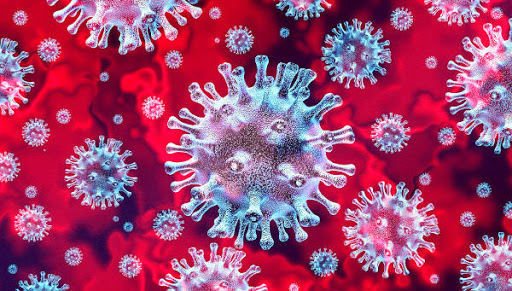
A clear and sharp overview on Covid-19 health and socio-economic impacts with some significant proposals.
“Covid-19 is the largest health and economic crisis of our generation. We are all bombarded by a lot of news, which are evolving quickly, are often highly technical, and have policy consequences that dramatically affect our lives”.
“Andrea Galeotti and I [Paolo Surico] felt the need to learn some tools to process this information and to understand and rationalise current health and economic policies. We [They] created a narrative to highlight different trade-offs which are part of: a) every health policy that attempts to flatten the contagion curve of Covid-19, and b) every economic policy that attempts to flatten the ‘recession curve’ caused by Covid-19″.
You find their video presentations here!
Dear all,
I have to share this report with you, and I will do within other networks too.
It is deadly urgent we all become aware about the actions we should all perform.
I forward a link to a scientific but descriptive report:
https://medium.com/@tomaspueyo/coronavirus-act-today-or-people-will-die-f4d3d9cd99ca
It is a long reading but if you are patient enough you can get a full sketch what we (Europe) are facing.
Do not underestimate the infection.
And I would also ask to share it within your own networks and media, please, since the relevance to be thoroughly informed is at the moment a key element in the battle.
Yours,
lablog
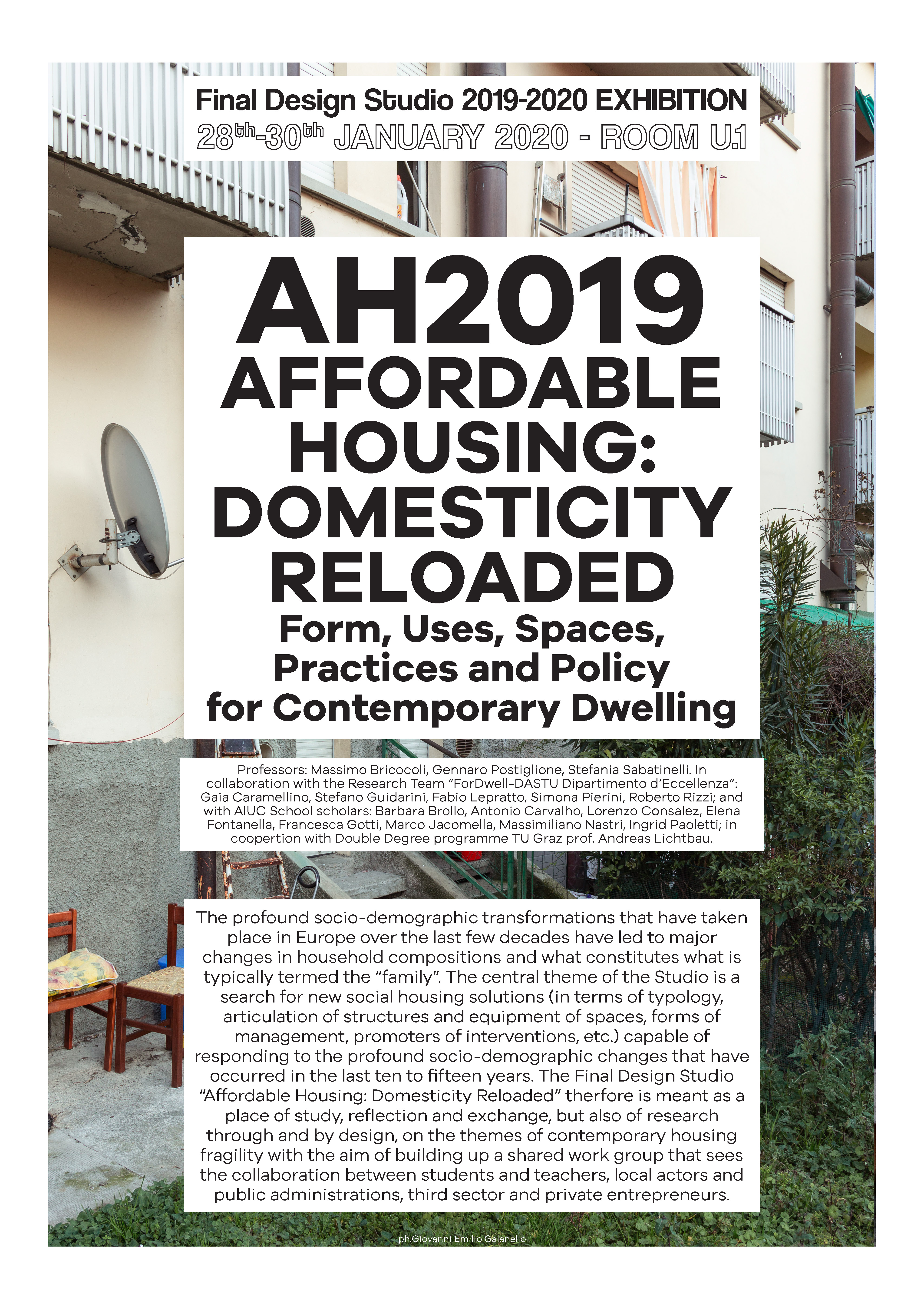
Professors
Massimo Bricocoli, Gennaro Postiglione, Stefania Sabatinelli. In collaboration with the Research Team “ForDwell-DASTU Dipartimento d’Eccellenza”: Gaia Caramellino, Stefano Guidarini, Fabio Lepratto, Simona Pierini, Roberto Rizzi; and with AIUC School scholars: Barbara Brollo, Antonio Carvalho, Lorenzo Consalez, Elena Fontanella, Francesca Gotti, Marco Jacomella, Massimiliano Nastri, Ingrid Paoletti; in coopertion with Double Degree programme TU Graz prof. Andreas Lichtbau.
Guest Crits
Sonia Calzoni, Calzoni architetti
Giuliana Costa, DAStU, Polimi
Marianna Taborelli, DAR=Casa
Mikel van Gelederen, Zeinstra van Gelderen architects
Francesco Falzetta, Casa Jannacci
Sibil Sträuli, Pini&Sträuli
Presented works [by theme]
Housing Affordability: the framework
Age-friendly housing
Housing and Commons
Productive Environments
Re-housing typology
FOLLOW UP WITH ALL DIPLOMA WORKS
Read the rest of this entry »
 |
 |
 |
 |